

Shipyard Safety / COMPLETED PROJECT
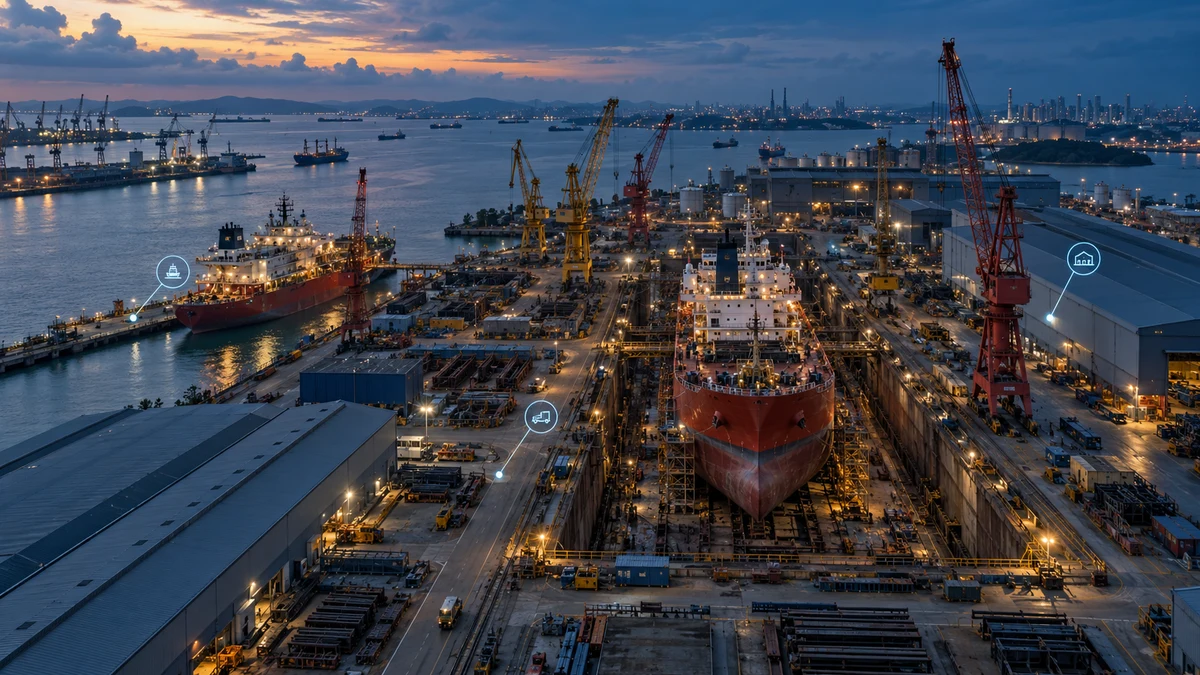
Safety monitoring across 32 production sheds.
Configured PPE checks, worker and vehicle tracking, and restricted-zone monitoring across 500+ live video streams. Safety teams receive alerts with visual evidence to review violations and coordinate intervention across the site.
faster response workflows
PPE and work-zone alerts reach the responsible team with linked footage and a defined response.
less manual coordination
Automatic routing keeps security, operations and HSE informed without repeated manual handoffs.
event traceability
Camera, time, zone, footage, notification history and response log stay linked to the event.
- Before
- Routine visual safety checks and manual team coordination
- After
- Zone-specific monitoring with alerts routed to designated teams
What we implemented
PPE compliance
Configured helmet and workwear checks, including helmet color and contractor clothing attributes.
Workers and vehicles
Tracked personnel, forklifts and bicycles, with worker and shift counts across production areas.
Work-zone safety
Monitored restricted zones, obstructed walkways, fire and smoke under site-specific rules.
Alerts and event evidence
Routed safety events to designated teams with camera, time, zone and linked footage for review.
Safety across a changing worksite
A shipyard combines contractors, industrial vehicles and multiple production areas. Safety teams need to see where protective equipment is missing, how people and machinery share routes, and whether controlled zones are being used correctly.
The deployment brought production sheds, internal routes and controlled zones into one monitoring workflow.
Apply zone-specific rules
NAP monitors protective equipment and workforce movement in the context of each zone. Helmet and workwear attributes support personnel checks; forklift, bicycle and pedestrian detections give teams visibility into shared work areas.
Configured scenarios also cover restricted-zone access, obstructed walkways, fire and smoke. The team receives the relevant event and visual context for review and action.
- 01Detect a safety condition
- 02Apply zone and PPE rules
- 03Notify the responsible team
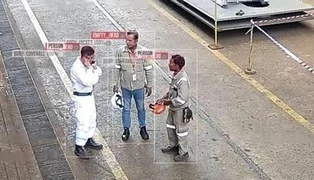
Check helmets and workwear in production areas. Apply zone-specific safety rules and highlight missing protection for the responsible team.
Align contractors and safety teams
Worker and shift counts support workforce visibility. Zone-specific rules make the expected conditions explicit, while access and monitoring events help teams review compliance across contractor activity.
Instead of relying on repeated visual inspections alone, safety staff can focus their attention on the conditions that require intervention.
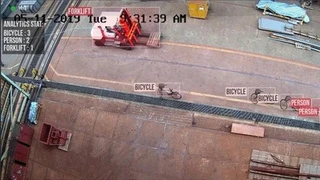
Monitor workers, forklifts and bicycles in shared work areas. Identify prohibited bicycle use and keep operational routes visible to safety teams.
Faster response. Clearer accountability.
PPE, work-zone and contractor workflows improved how teams respond and preserve evidence after implementation.
Relevant events are routed to the responsible team with video and zone context. Security, operations, HSE and duty managers work from the same event record, reducing handoffs and making the response easier to review.
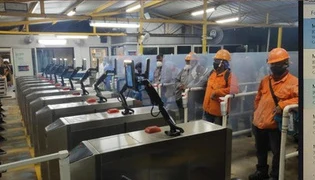
Connect identity checks with access policies for restricted zones. Give operators a shared view of personnel movement and access events.